Music
At Abbey Park Primary School, our music curriculum inspires pupils to develop a love of music, creativity and self-expression. Through singing, listening, composing and performing, children build musical knowledge and confidence while exploring how music connects people, cultures and communities. Our curriculum supports the school’s drivers of sustainability and identity and equity by exposing pupils to a rich range of musical traditions, styles and experiences.
What children learn
Our music curriculum is carefully planned to ensure pupils develop knowledge, understanding and practical musical skills progressively across the school. Pupils explore a wide range of genres, instruments, composers and musical traditions from different times and cultures.
Across the school, learning is built around key recurring ideas such as:
• rhythm and pulse
• pitch and melody
• dynamics, tempo and expression
• listening and appraising
• composition and improvisation
• performance and collaboration
These concepts are revisited across different units and year groups so that pupils deepen their understanding and make meaningful connections in their musical learning over time.
Building knowledge and skills over time
Music is taught in a carefully sequenced way from Early Years to Year 7, allowing pupils to develop both musical knowledge and practical skills progressively.
• In Early Years, children explore music through singing, movement, rhythm, sound-making and imaginative play.
• In Key Stage 1, pupils begin to recognise musical elements such as pulse, rhythm and pitch while developing confidence in singing and performing.
• In Key Stage 2 and the first year of Key Stage 3, pupils build greater control, understanding and creativity through performing, composing and analysing a broader range of music.
Throughout the curriculum, prior learning is regularly revisited so that pupils remember key knowledge, refine skills and gain confidence as musicians.
Thinking like a musician
In addition to knowledge, pupils are taught how to work as musicians. This includes:
• listening carefully and responding to music
• recognising and describing musical features
• composing and improvising creatively
• rehearsing and performing with others
• evaluating and improving performances
• expressing ideas and emotions through music
These disciplinary skills are explicitly taught and developed across the school, enabling pupils to become thoughtful, creative and reflective musicians.
Language, vocabulary and communication
Developing musical vocabulary is an important part of learning in music. Pupils are taught and encouraged to use subject-specific language such as pulse, rhythm, tempo, dynamics and melody accurately in discussion and performance activities.
Opportunities for talk and collaboration are built into lessons so that pupils can:
• explain their musical ideas
• reflect on performances
• discuss different styles and traditions of music
• work cooperatively when composing and performing
This supports both musical understanding and confidence across the curriculum.
Making connections
Where meaningful, music is linked to other subjects to deepen understanding. Pupils explore music through:
• music from different cultures and traditions
• links with history, geography and the arts
• performance opportunities within school and the community
• themes of identity, emotion and celebration
This helps pupils to appreciate diversity, understand different perspectives and recognise the important role music plays in people’s lives around the world.
Applying learning
Pupils are given regular opportunities to apply their musical knowledge and skills through:
• singing and instrumental performance
• composing and improvising
• listening and appraising activities
• group and whole-class performances
• responding creatively to music
This ensures pupils are active participants in music-making and are able to express themselves confidently and creatively.
Assessment and progress
Assessment in music is ongoing and used to support learning. Teachers:
• observe and assess practical musical skills
• check understanding through questioning and discussion
• assess pupils’ ability to perform, compose and evaluate music
• monitor the development of musical vocabulary and confidence
This ensures that learning is secure and that pupils continue to make progress as musicians.
What pupils achieve
By the end of Year 7, pupils at Abbey Park Primary School:
• sing and perform with growing confidence and control
• understand and use key musical vocabulary accurately
• listen to and appraise a wide range of music thoughtfully
• compose and improvise using musical elements creatively
• work collaboratively and respectfully in performances and musical activities
• show enjoyment, curiosity and confidence in music
They leave primary school as enthusiastic, reflective and creative learners with an appreciation of music and its importance in the wider world.
Inclusion
Our music curriculum is designed so that all pupils can access and succeed. Teaching is adapted to meet the needs of all learners through:
• scaffolding and support where needed
• clear modelling and practical demonstration
• opportunities for repetition and rehearsal
• appropriate challenge and opportunities for deeper creativity
This ensures every child can develop as a musician, regardless of their starting point.
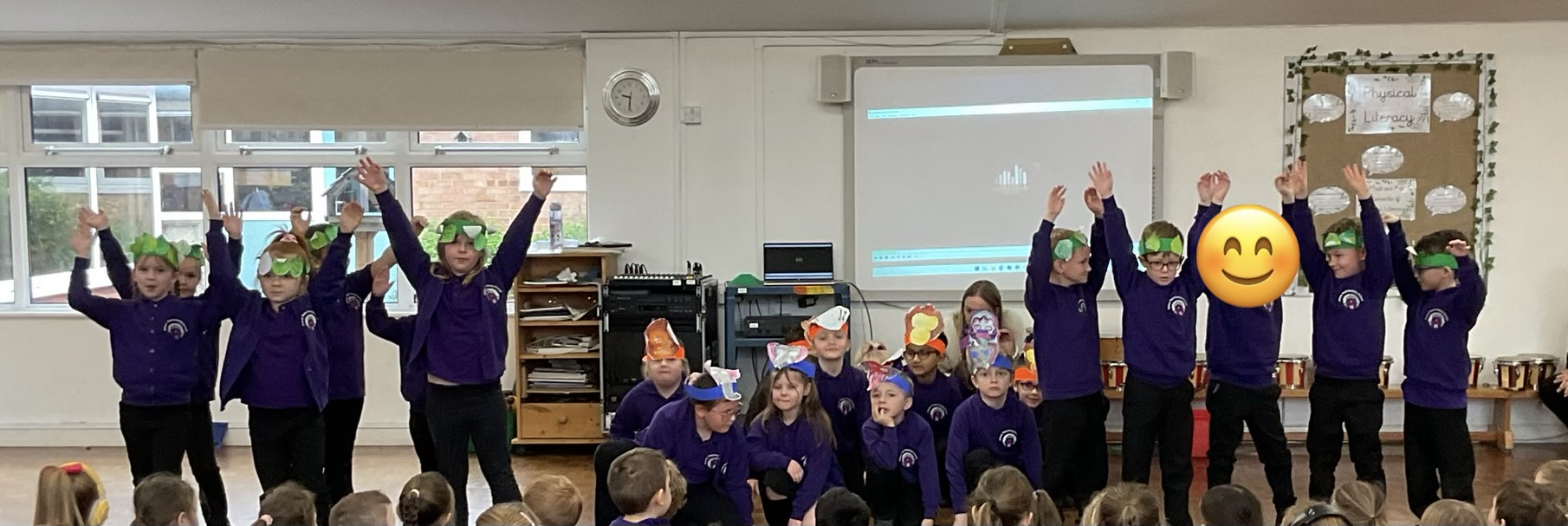
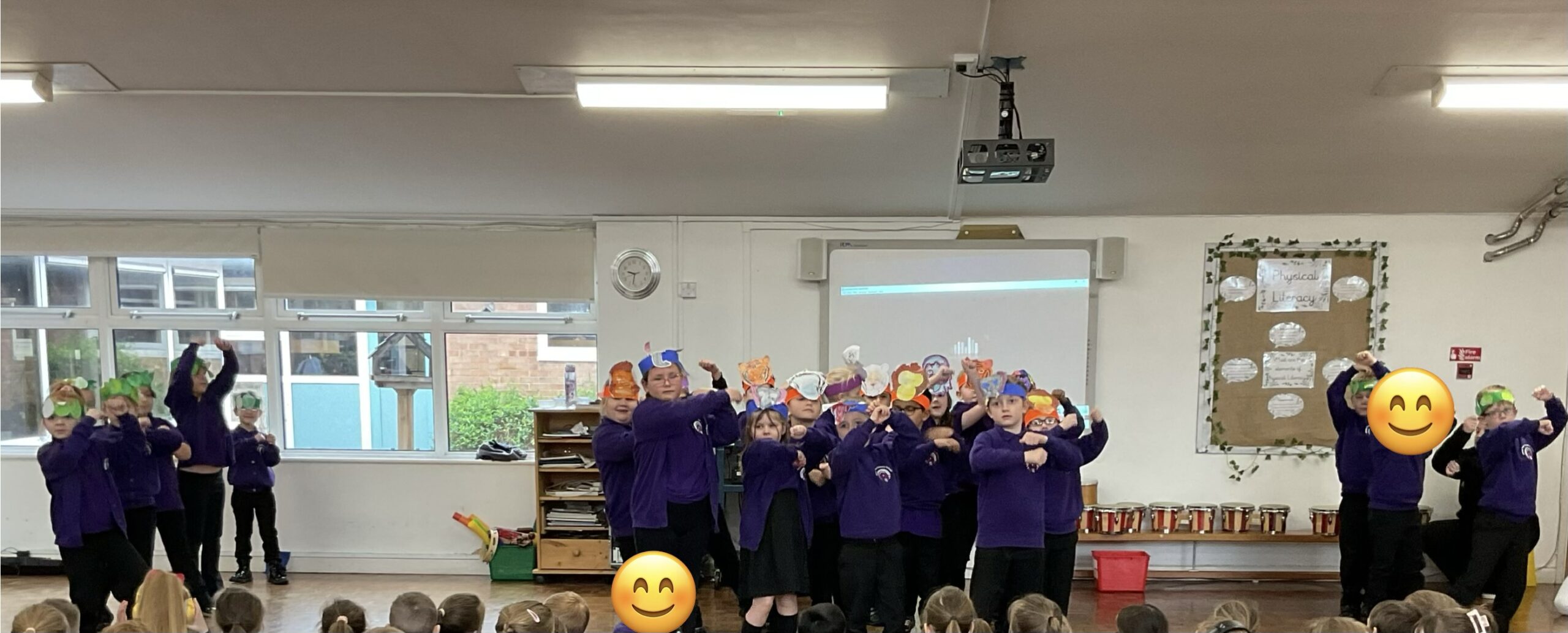
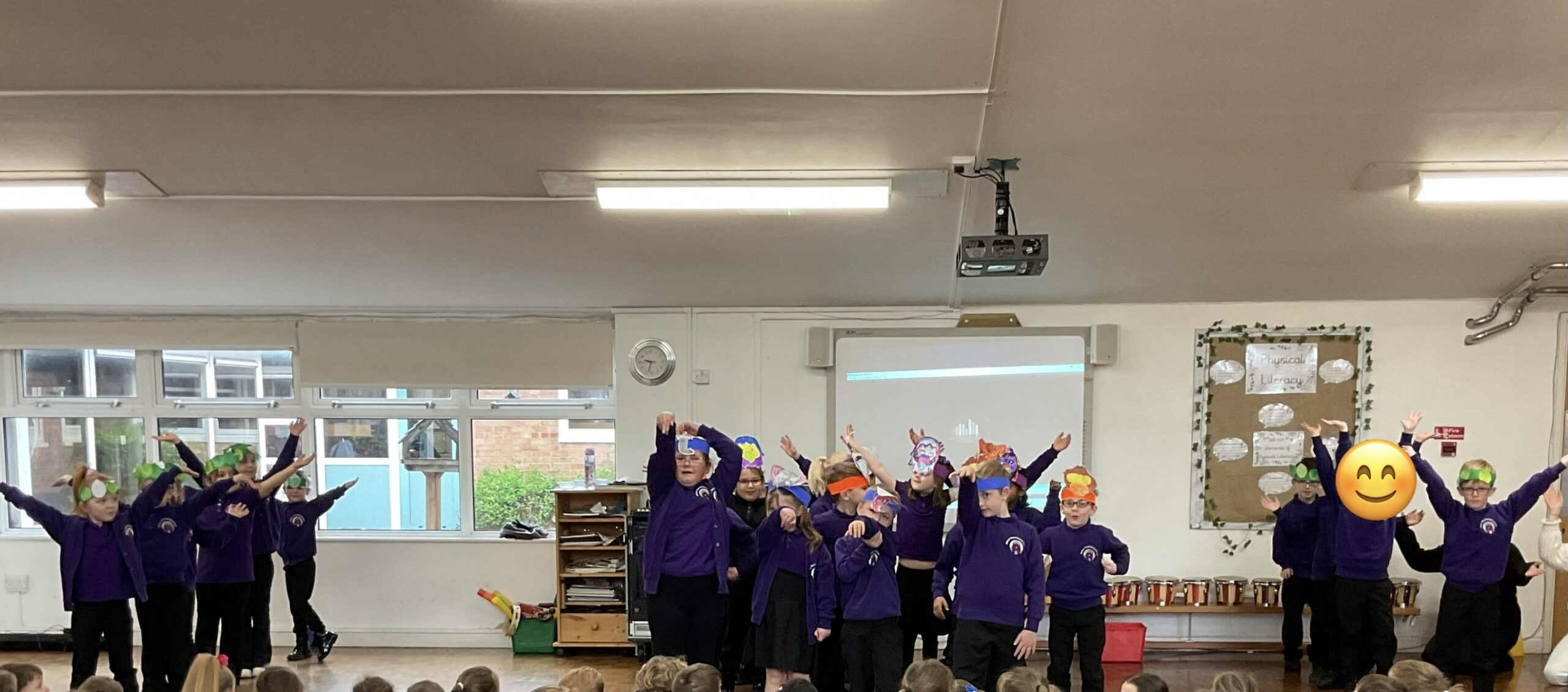
Performing Arts Concert 2026